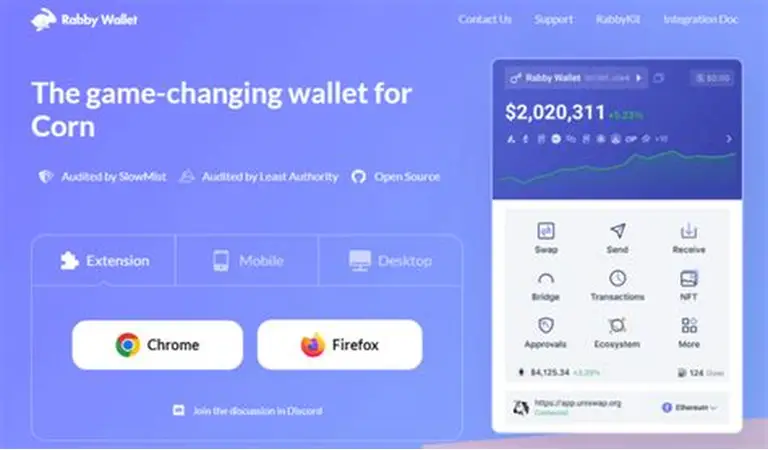
Rabby Wallet – Your Complete Guide to Secure Crypto and Web3 Management
The expansion of decentralized finance (DeFi), NFTs, and blockchain applications has made secure wallet management essential. Rabby Wallet is a versatile, non-custodial wallet designed to provide users with a seamless experience for managing cryptocurrencies, interacting with Web3 applications, and securing digital assets. This comprehensive guide will cover everything about Rabby Wallet, including setup, login, key features, supported assets, DeFi integration, security best practices, and advanced tips for maximizing your crypto experience.
What Is Rabby Wallet?
Rabby Wallet is a non-custodial cryptocurrency wallet that allows users to manage digital assets without relying on third parties. Being non-custodial means that you retain full ownership of your private keys, giving you complete control over your funds.
Key features of Rabby Wallet include:
Multi-chain support: Compatible with Ethereum, Binance Smart Chain, Polygon, and other EVM-compatible blockchains
Web3 integration: Access DeFi protocols, DEXs, and NFT marketplaces securely
Cross-platform: Available as a browser extension and mobile wallet
User-friendly interface: Designed for beginners while offering advanced functionality for experienced users
Enhanced security: Built-in anti-phishing and transaction protection features
Rabby Wallet aims to combine ease of use, security, and versatility in one platform.
Why Choose Rabby Wallet?
With numerous crypto wallets available, Rabby stands out for several reasons:
Non-custodial security: You always control your private keys
Web3 optimization: Designed for interacting with decentralized applications safely
Cross-chain management: Supports multiple blockchains and tokens
Advanced transaction security: Transaction protection against phishing, scams, and malicious dApps
User-friendly design: Suitable for beginners but equipped with advanced tools for power users
By offering a secure and intuitive experience, Rabby Wallet ensures users can manage assets and explore Web3 confidently.
Setting Up Rabby Wallet
Getting started with Rabby Wallet is straightforward but requires careful attention to security.
1. Download and Install Rabby Wallet
Rabby Wallet is available as a browser extension (Chrome, Firefox, Edge) and mobile app. Always download from the official website or app store to prevent phishing or malware.
2. Create a New Wallet or Import an Existing Wallet
You can either:
Create a new wallet: Rabby generates a secure wallet and a 12- or 24-word recovery phrase
Import wallet: Use an existing seed phrase from other wallets to recover your assets
3. Secure Your Recovery Phrase
Your recovery phrase is the most critical security element. Best practices include:
Write it down and store it offline
Avoid digital storage or sharing it with anyone
Keep multiple backups in secure locations
4. Set Up a Password
Choose a strong password for local wallet access. On mobile, enable biometric authentication if supported.
5. Add Cryptocurrency Assets
Once set up, deposit cryptocurrencies by receiving funds or using integrated services to purchase crypto.
Supported Cryptocurrencies and Tokens
Rabby Wallet supports multiple blockchains and assets, including:
Ethereum (ETH), Binance Smart Chain (BNB), Polygon (MATIC), and other EVM-compatible chains
ERC-20, BEP-20, and other token standards
Stablecoins such as USDT, USDC, and DAI
NFTs and collectibles on supported networks
Continuous updates ensure support for new chains, tokens, and NFT standards.
Sending and Receiving Crypto
Rabby Wallet makes transactions secure and user-friendly:
Send: Enter the recipient address and amount, then confirm the transaction
Receive: Generate wallet addresses or QR codes for deposits
Transaction protection: Confirm all transactions and review contract permissions to prevent scams
Rabby Wallet’s anti-phishing and smart transaction detection help minimize risk when interacting with unknown dApps.
Rabby Wallet and Web3 Integration
Rabby Wallet is optimized for Web3 and DeFi applications, allowing users to:
Access decentralized exchanges (DEXs) like Uniswap and PancakeSwap
Interact with NFT marketplaces
Participate in lending and borrowing protocols
Connect safely to dApps using built-in transaction confirmation and contract verification
This integration ensures you can explore Web3 ecosystems while keeping private keys secure.
Security Features of Rabby Wallet
Rabby Wallet emphasizes advanced security for Web3 users, including:
Non-custodial design: Private keys remain under your control
Transaction protection: Warnings against unsafe contracts, phishing, or token approval scams
Open-source: Community-audited code for transparency
Multi-chain security: Checks for chain-specific risks
Following security best practices, combined with Rabby Wallet’s built-in features, ensures your crypto assets are well-protected.
Portfolio Management Features
Rabby Wallet provides tools to help users track and manage assets effectively:
Real-time portfolio balances across multiple blockchains
Visual portfolio overview with asset allocation charts
Transaction history with detailed records
Notifications for network changes or potential risks
These features allow both casual and advanced users to maintain control over their crypto holdings.
NFT and Token Management
Rabby Wallet supports NFTs and tokens, allowing users to:
View NFTs directly in the wallet interface
Manage token balances and check transactions
Interact with NFT marketplaces without exposing private keys
Track collectible portfolios on supported chains
This makes Rabby Wallet ideal for users engaged in both DeFi and NFT ecosystems.
Advanced Features
Rabby Wallet also provides advanced functionality for experienced users:
Custom gas fees for Ethereum and other networks
Token approval management to revoke risky allowances
Multiple wallet support for separate accounts or purposes
Cross-chain swaps and dApp interaction with enhanced safety features
These tools ensure flexibility and security for complex crypto operations.
Rabby Wallet vs Exchange Wallets
Unlike centralized exchanges, Rabby Wallet is non-custodial, which means:
You control your private keys
Your assets cannot be frozen or seized
Reduced exposure to hacks on centralized platforms
Enhanced privacy and transparency in all transactions
Using Rabby Wallet ensures true ownership of digital assets.
Security Best Practices
Even with Rabby Wallet’s built-in protection, users should follow best practices:
Never share your recovery phrase or password
Only download the official app or browser extension
Review transaction details before approving
Use hardware wallets for large holdings
Enable biometric or device-based authentication when available
Adhering to these practices significantly reduces risk of theft or loss.
Troubleshooting Rabby Wallet
Common issues and solutions include:
Wallet Not Connecting to dApps:
Ensure your browser or app is up to date
Confirm network settings
Reconnect or reload the wallet
Transaction Errors:
Verify network fees and gas limits
Ensure sufficient balance to cover fees
Review token approval permissions
Wallet Recovery Issues:
Use the exact recovery phrase with correct order
Avoid typing recovery phrases on shared devices
Official Rabby documentation provides step-by-step solutions for common issues.
Getting Started with Rabby Wallet
To start using Rabby Wallet effectively:
Download the official Rabby Wallet app or browser extension
Create a new wallet or import an existing one
Securely store your recovery phrase offline
Set a strong password or enable biometric authentication
Deposit supported cryptocurrencies
Explore Web3 dApps, DeFi protocols, and NFT marketplaces
Use transaction protection and portfolio tracking features
By following these steps, you ensure a safe and optimized crypto experience.
Community and Support
Rabby Wallet provides resources for support and learning:
Official Documentation: Guides for setup, transactions, and security
Community Forums: Connect with other users for tips and advice
Social Media Updates: Stay informed on updates and new features
Customer Support: Assistance for technical issues and troubleshooting
Being part of the Rabby ecosystem helps users navigate crypto and Web3 safely.
Advantages of Rabby Wallet
Rabby Wallet offers numerous benefits:
Security: Non-custodial with anti-phishing and contract protection
Web3 Optimization: Seamless dApp and DeFi interaction
Cross-Chain Support: Manage multiple blockchains in one wallet
User-Friendly Interface: Designed for beginners yet powerful for advanced users
Portfolio and NFT Management: Track assets and collectibles efficiently
These advantages make Rabby Wallet an ideal choice for both casual and professional crypto users.
Conclusion
Rabby Wallet is a secure, versatile, and user-friendly wallet for managing cryptocurrencies and exploring the Web3 ecosystem. By combining non-custodial storage, transaction protection, Web3 integration, NFT management, and portfolio tracking, Rabby Wallet empowers users to safely manage and grow their digital assets.
Following best practices for security, storing your recovery phrase offline, and utilizing Rabby Wallet’s features ensures a safe, convenient, and comprehensive crypto experience. Start using Rabby Wallet today to take full control of your digital assets and participate in the Web3 revolution.